
XR Indoor wayfinding and discovery
BriteWay XR is a cloud‑based extended‑reality (XR) wayfinding and spatial‑intelligence service that helps public‑sector organisations make complex buildings easier to navigate for all users, including disabled and older people.
The service provides immersive 3D and augmented‑reality guidance, digital twins, and accessibility‑aware routes to support safer, more confident movement through hospitals, campuses, transport hubs, and civic buildings.
BriteWay XR combines indoor positioning, digital mapping, and XR visualisation to deliver step‑by‑step navigation, pre‑visit familiarisation, and real‑time route updates.
The platform integrates with existing building systems and can be deployed across mobile devices, kiosks, and web interfaces. It improves user experience, reduces staff wayfinding burden, and supports inclusive access to public services
Use it as a standalone app or integrated in your app to bring precise location accuracy together with high definition mixed reality (XR) guidance to help visitors plan and navigate your destinations with ease.
Send download link to:Brochure Indoor Mapping
Send download link to:Transport for Wales Case Study
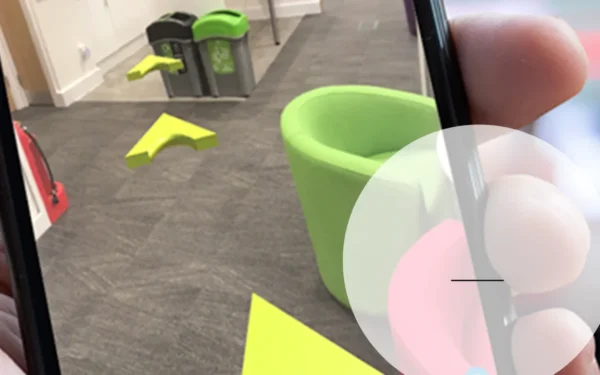
Visual indoor navigation with Augmented Reality
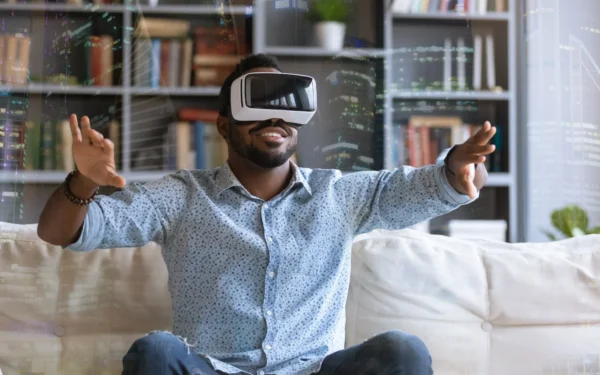
Smarter journey planning with Virtual Tours

Maintain Digital Twin assets

Increase footfall and sales with Insights

Improve operational efficiency with Forecasts
What is augmented reality indoor navigation?
Why use augmented reality indoor navigation?
Who is using augmented reality indoor navigation?
Where is augmented reality indoor navigation being used?
Related articles

Who is using augmented reality indoor navigation
AR technology enables users to access real-time information on their location and the direction they should take, reducing the time and effort required to navigate through complex structures.

Why use augmented reality indoor navigation
Going Beyond Maps: Exploring the Benefits of Augmented Reality for Indoor Navigation
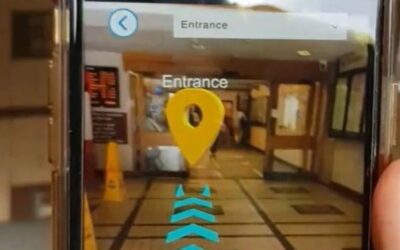
What is augmented reality indoor navigation
The revolution of Augmented Reality (AR) technology has introduced a new dimension of navigation capabilities, particularly for indoor spaces.